Alan Nekhay is a prominent collector whose collection includes around 200 contemporary art pieces. Alan is an art director, graphic designer, founder of the Alan Nekhay Foundation, and, in short, a genius, millionaire, philanthropist, and, incidentally, a collector for the auction house dispar:d.
Currently, Alan lives and works in Turkey, where he recently launched the Alan Nekhay Foundation, which incorporates his private collection.
In an interview with Anna Kuzko, the founder of dispar:d, Alan shared insights into the principles and values that guide his selection of works for his collection. He spoke about the artists represented in it and addressed whether an artist's political stance influences collectors' perceptions of their art.
Currently, Alan lives and works in Turkey, where he recently launched the Alan Nekhay Foundation, which incorporates his private collection.
In an interview with Anna Kuzko, the founder of dispar:d, Alan shared insights into the principles and values that guide his selection of works for his collection. He spoke about the artists represented in it and addressed whether an artist's political stance influences collectors' perceptions of their art.
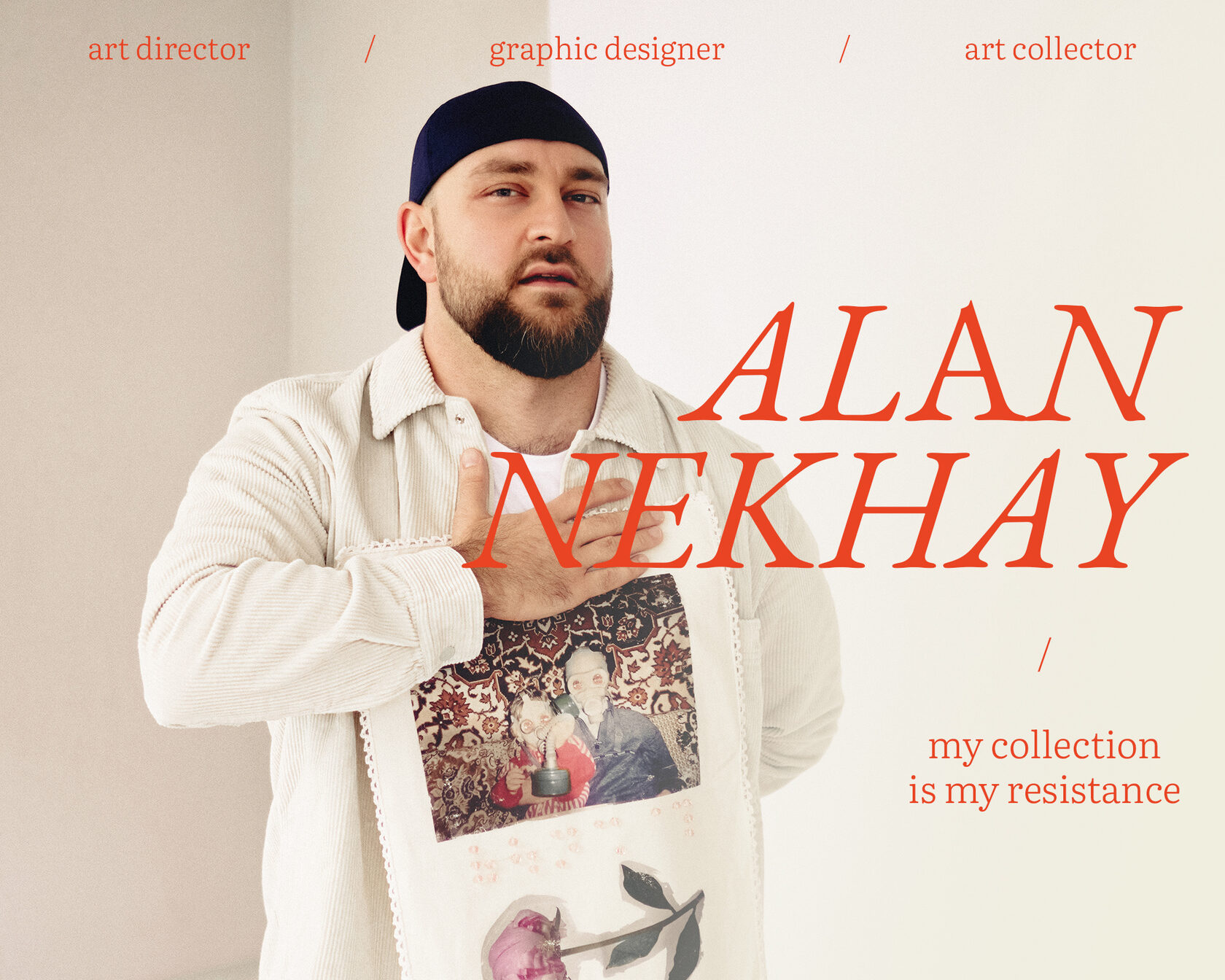
Alan Nekhay for dispar:d. Photo: Alan Nekhay
— Alan, hi! As far as I know, you’re a collector to the core, and your journey into collecting began at the age of nine with rare music records. That’s impressive, especially considering the fact that your art collection started with a prominent name in Russian contemporary art — Tima Illarionov.
Can you tell us about your collection? How extensive is it, and which works would you highlight as particularly significant?
Can you tell us about your collection? How extensive is it, and which works would you highlight as particularly significant?
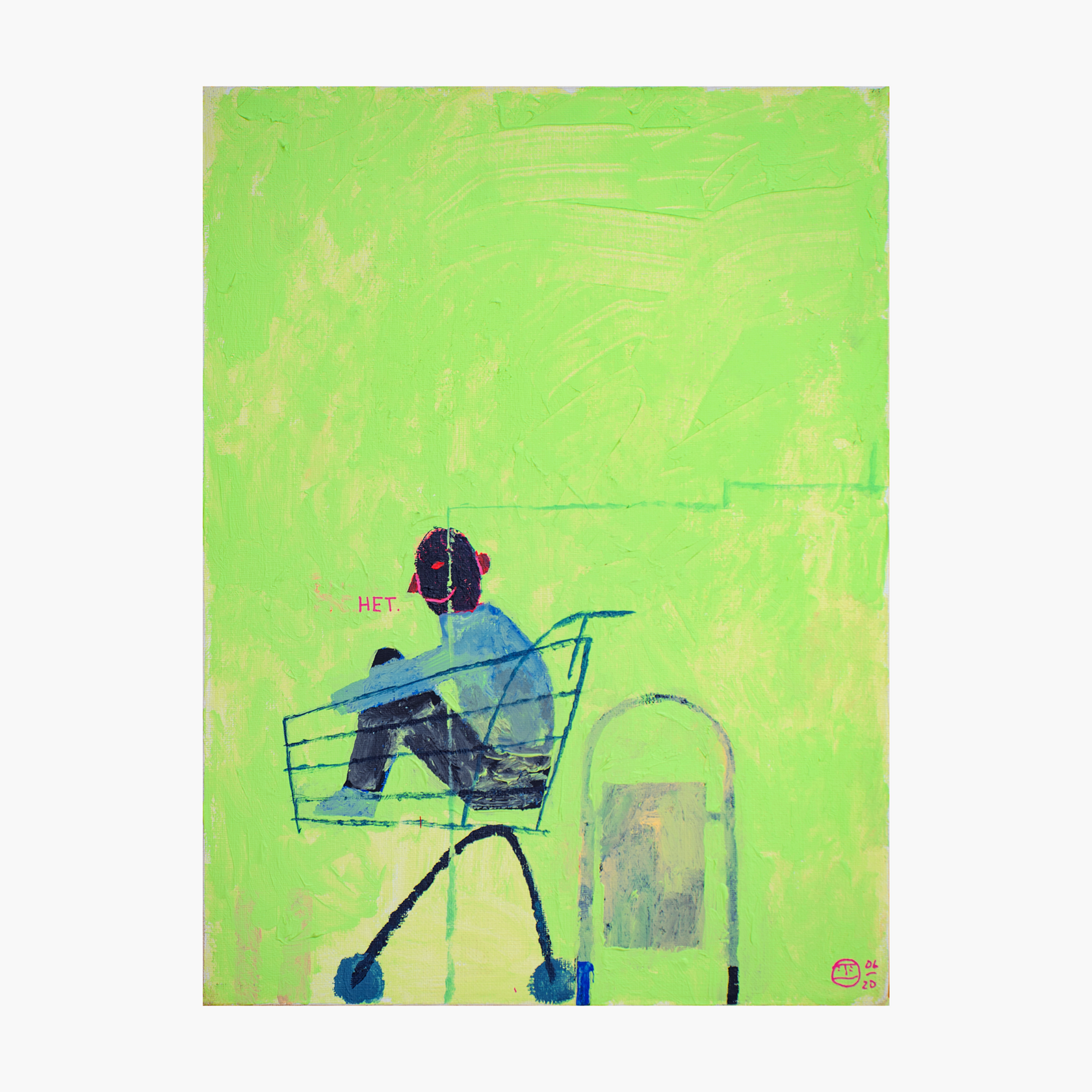
Tima Illarionov – Against, 2020
— We recently finished working on the foundation's website, and it turned out I have more artworks than I thought. I already own about 200 pieces. I initially believed there were fewer than 100, but in reality, it’s closer to 200!
As for standout pieces: my friends recently gifted me a painting by Linda*.
First of all, I absolutely adore her for the incredible, meaningful work she creates. And since it was her record that started my very first collection, it’s especially heartwarming that her artwork has now become part of my foundation. Without a doubt, this piece is significant to me.
Overall, I’d say that everything in my collection holds special meaning for me because I never buy art just for the sake of buying. I don’t choose pieces solely because they are by famous names or because I have the resources to invest. I acquire works because I feel something for them, an emotional connection. Every piece in my collection is tied to a period of my life and tells my story. Each of them is significant.
When major social events happen that affect me deeply, I purchase an artwork that becomes a kind of marker—a notch on the tree to signify that event. Looking at that piece later, I remember what happened. It helps me not to forget.
*Linda is a russian musician and singer known for her electronic and ethnic music, as well as a poet and artist.
As for standout pieces: my friends recently gifted me a painting by Linda*.
First of all, I absolutely adore her for the incredible, meaningful work she creates. And since it was her record that started my very first collection, it’s especially heartwarming that her artwork has now become part of my foundation. Without a doubt, this piece is significant to me.
Overall, I’d say that everything in my collection holds special meaning for me because I never buy art just for the sake of buying. I don’t choose pieces solely because they are by famous names or because I have the resources to invest. I acquire works because I feel something for them, an emotional connection. Every piece in my collection is tied to a period of my life and tells my story. Each of them is significant.
When major social events happen that affect me deeply, I purchase an artwork that becomes a kind of marker—a notch on the tree to signify that event. Looking at that piece later, I remember what happened. It helps me not to forget.
*Linda is a russian musician and singer known for her electronic and ethnic music, as well as a poet and artist.
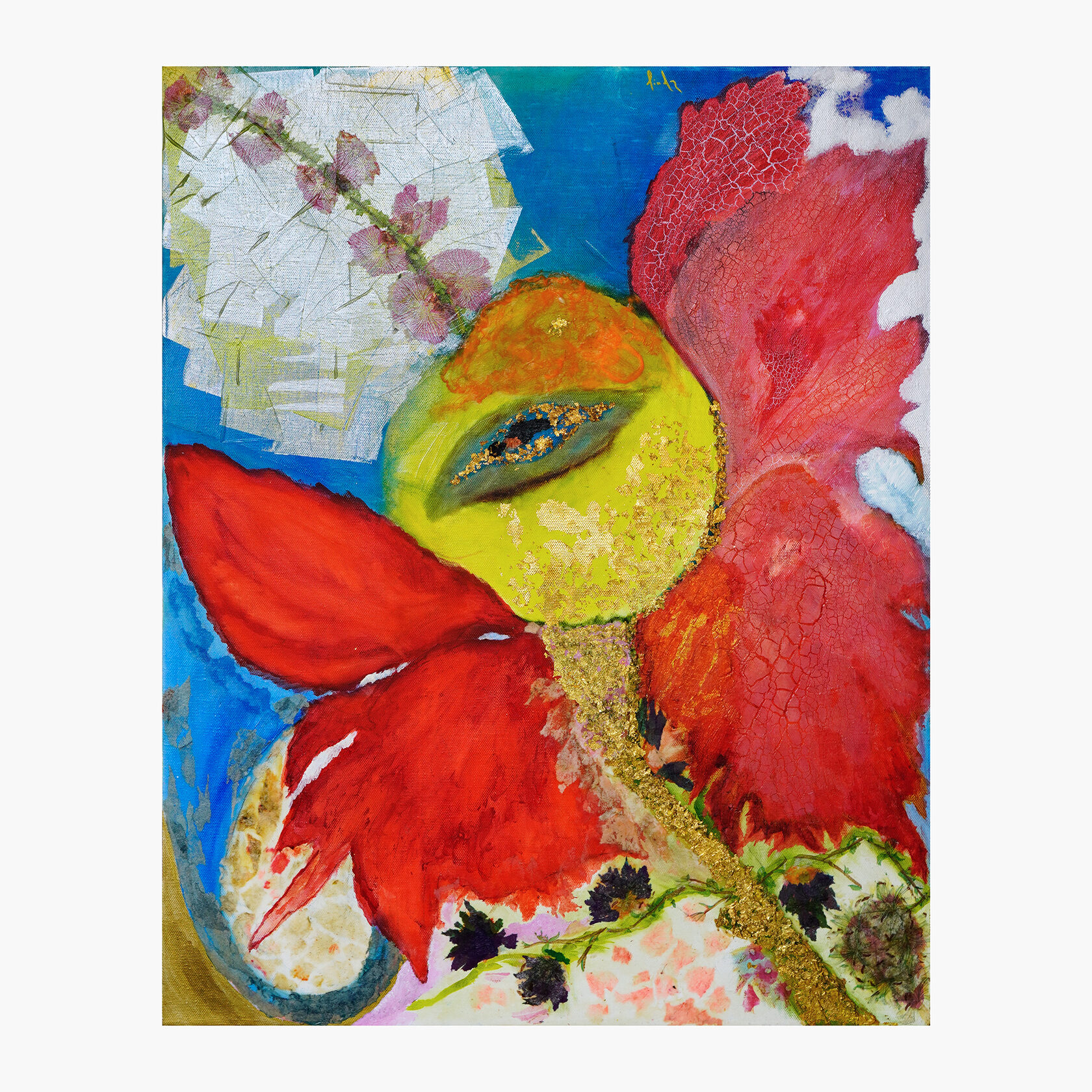
Linda – Untitled, 2001
— That’s the kind of story we aim to carry forward in our project, where we collect art that feels most relevant to contemporary times. I think this is a value we both share.
As far as I know, you don’t collect works with a negative vibe. Are there any, let’s say, positive criteria that guide your decision-making when purchasing a piece?
As far as I know, you don’t collect works with a negative vibe. Are there any, let’s say, positive criteria that guide your decision-making when purchasing a piece?
— Art is a transcendent experience of interaction. When a piece transforms me, it’s always unmistakable. That’s why my selection criterion is simple: if a work transforms me, I simply cannot resist acquiring it, even if it requires significant costs or sacrifices on my part. From that moment, you just can’t imagine being without it.
— Indeed, the pieces that alter your reality have a unique resonance.
Could you share the names of specific artists whose works have recently been added to your collection?
Could you share the names of specific artists whose works have recently been added to your collection?
— I recently acquired a piece by Akhmat Bikanov, and it truly inspires me. I had been waiting for the right moment to add one of Ahmat’s works to my collection because the core of my collection is abstract art, whereas Ahmat works with figurative forms. It was important for me to find the right alignment. That moment finally came—and now Ahmat’s work is part of my collection!
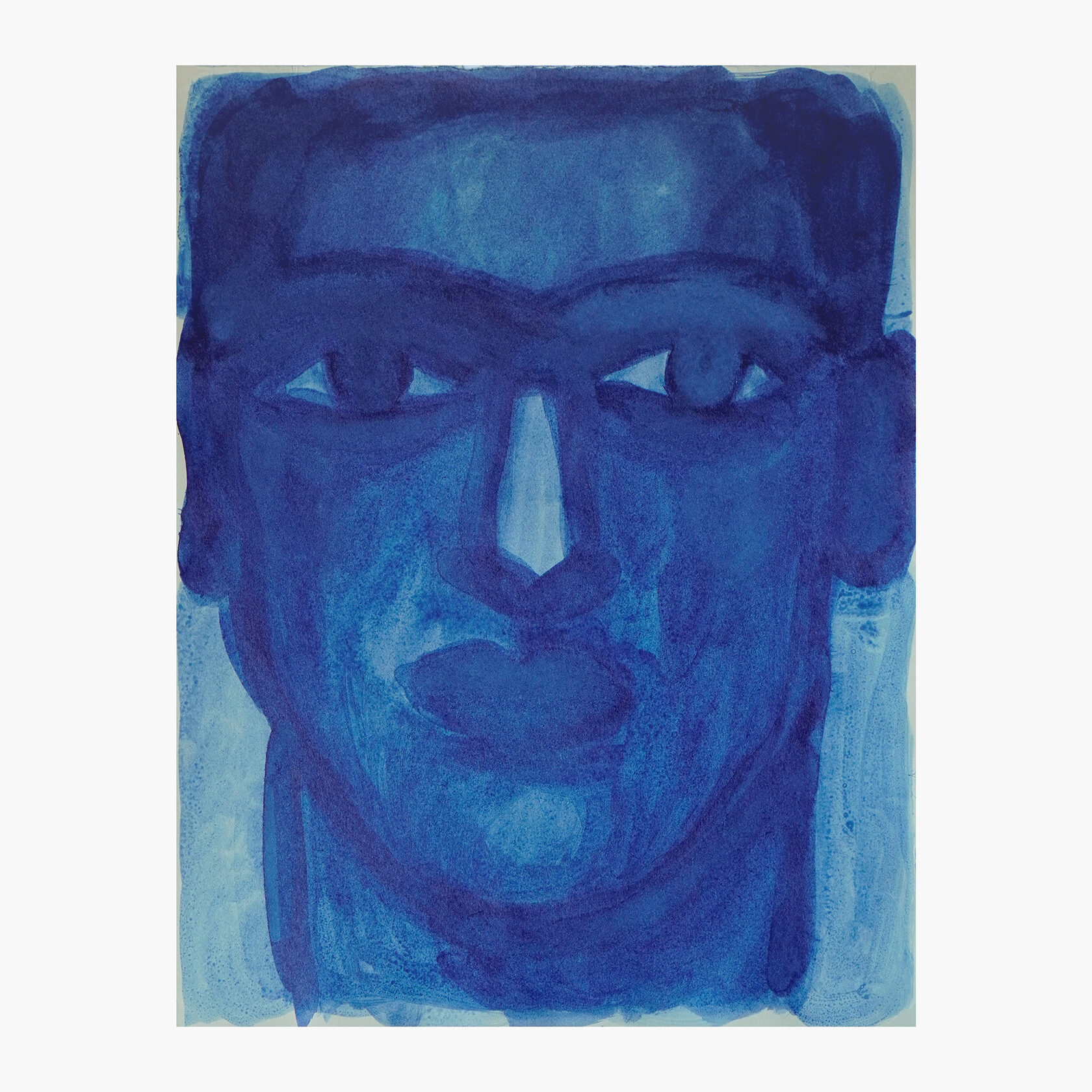
Akhmat Bikanov – Untitled, 2022
Additionally, I’ve also acquired a piece by Taus Makhacheva. Her work resonates deeply with me—her methods and the way she processes her cultural experience. It strikes a chord with me, as I’m also from the North Caucasus, and the symbols she explores are profoundly familiar to me.
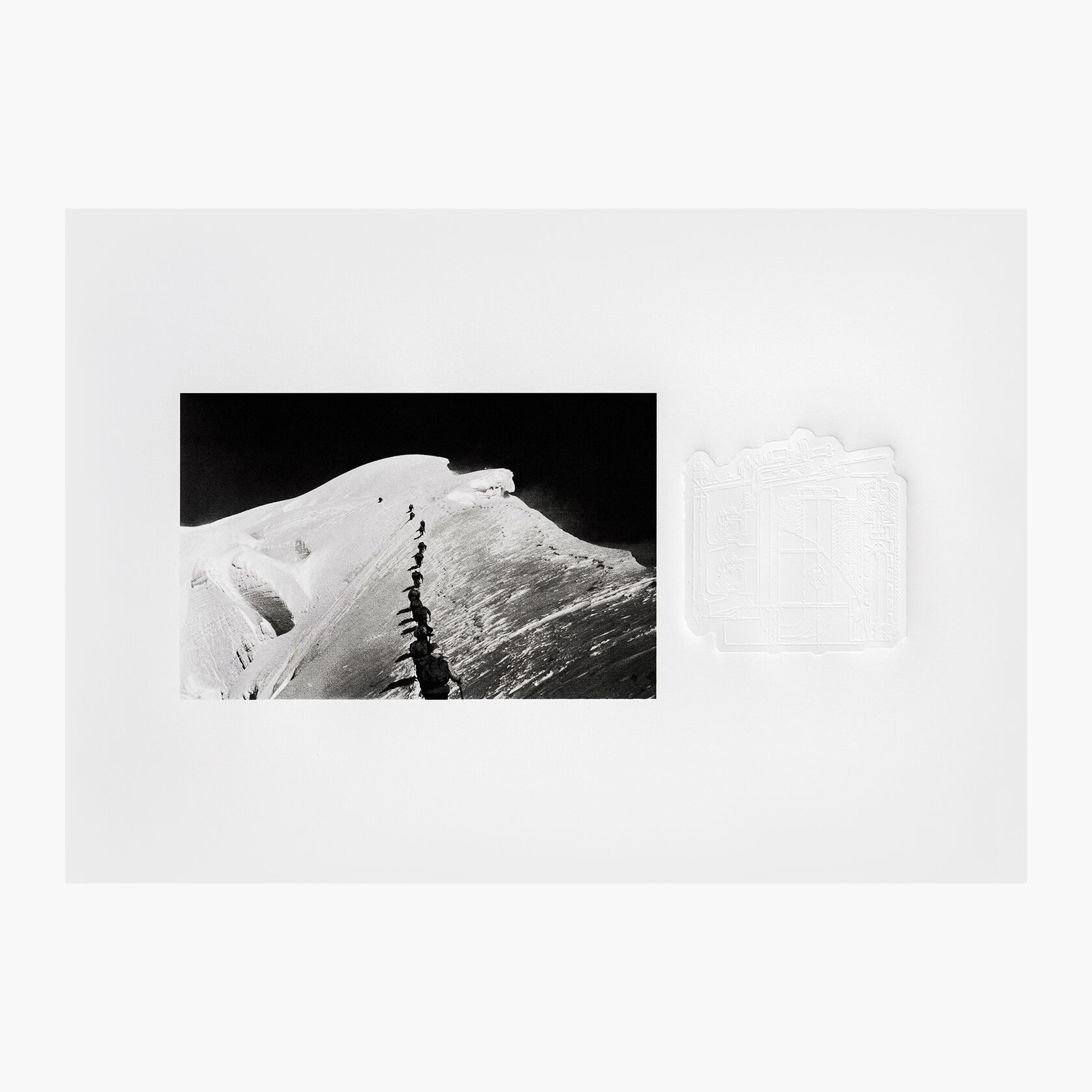
Taus Makhacheva – Travel report N0172932 (3rd sheet), 2019
I also have a substantial collection of works by Maria Koroleva, which continues to grow regularly, as well as an extensive and ever-expanding collection of works by Masha Egorova.
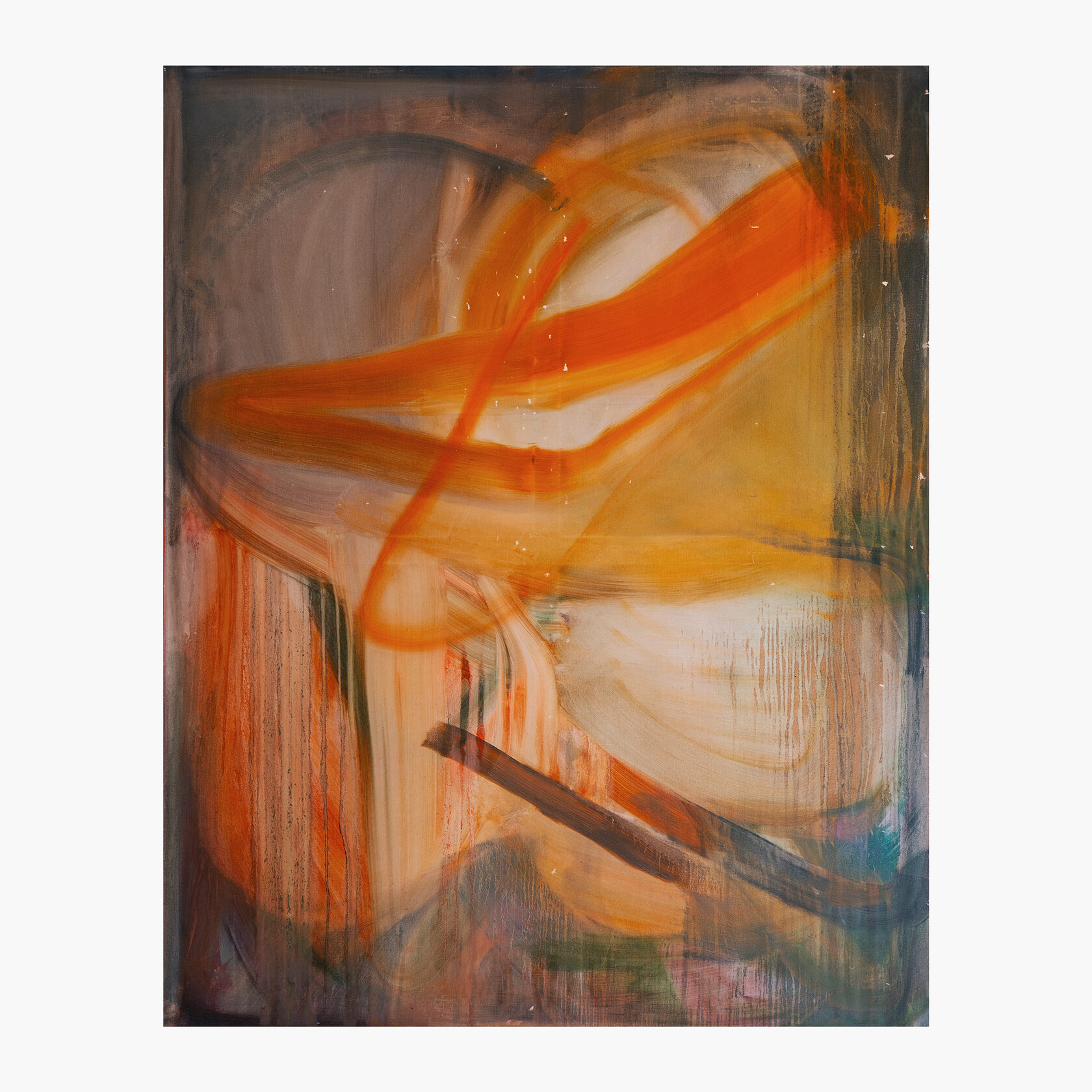
Maria Koroleva – We won’t burn, we won’t melt into something new, 2024
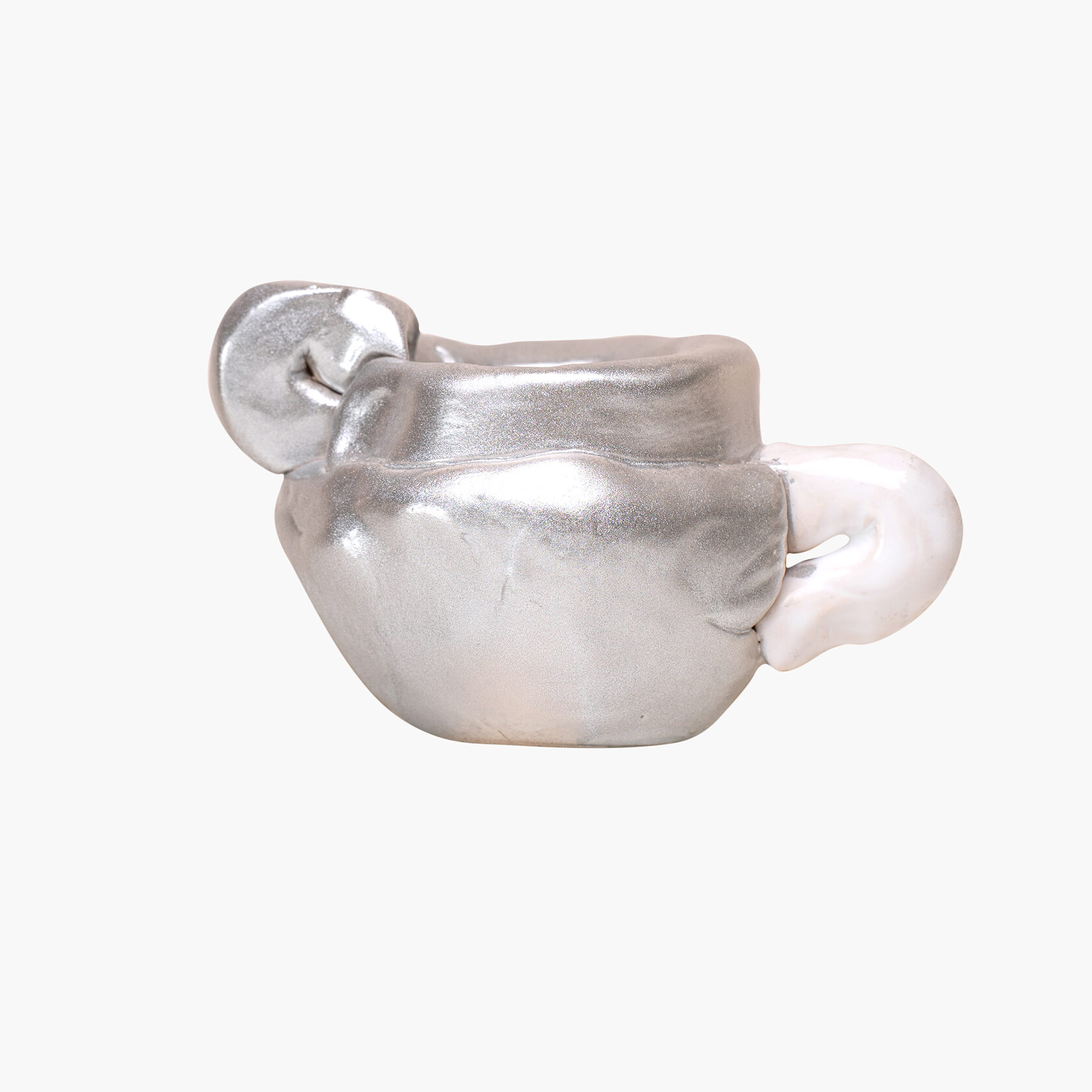
Masha Egorova –13 Snow white miniatures, 2023
I absolutely must mention the artist from your auction house, Polina Osipova. She is magnificent! It’s a great joy and privilege for me (thanks to dispar:d) to have her works in my collection.
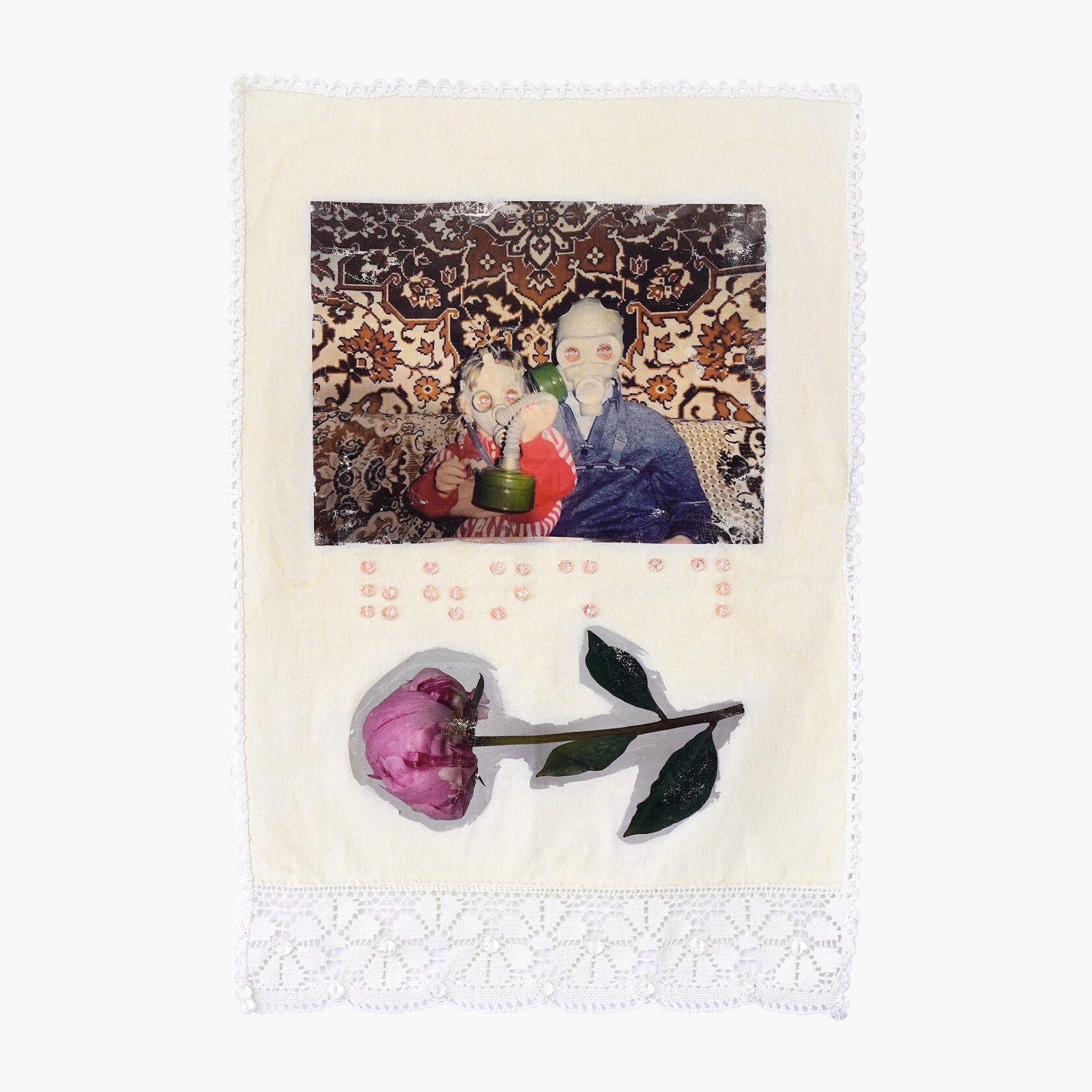
Polina Osipova – From grandma's garden, 2024
— We’re delighted to hear that, especially knowing that no one else represents her on the Russian market but us. I won’t hide the fact that we’re very proud of that. Polina is one of the gems of our foundation, though, of course, we have many other incredibly talented artists as well.
— Absolutely. My favorite gem is Alisa Gorshenina. She’s not just an artist and creator; she’s a researcher of Russian cultural heritage, spirit, and folklore. I think you know exactly what I mean.
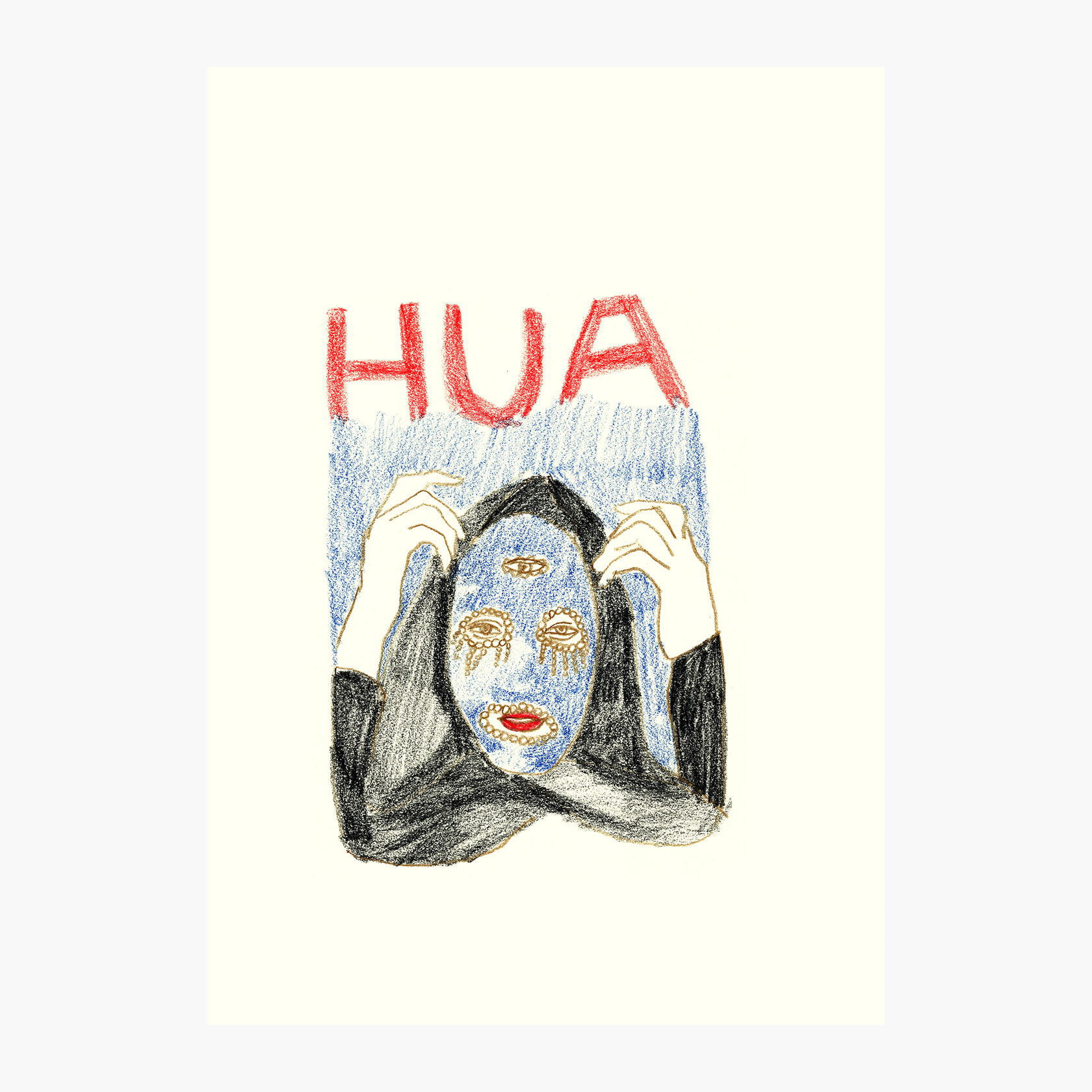
Alisa Gorshenina – Untitled, 2021
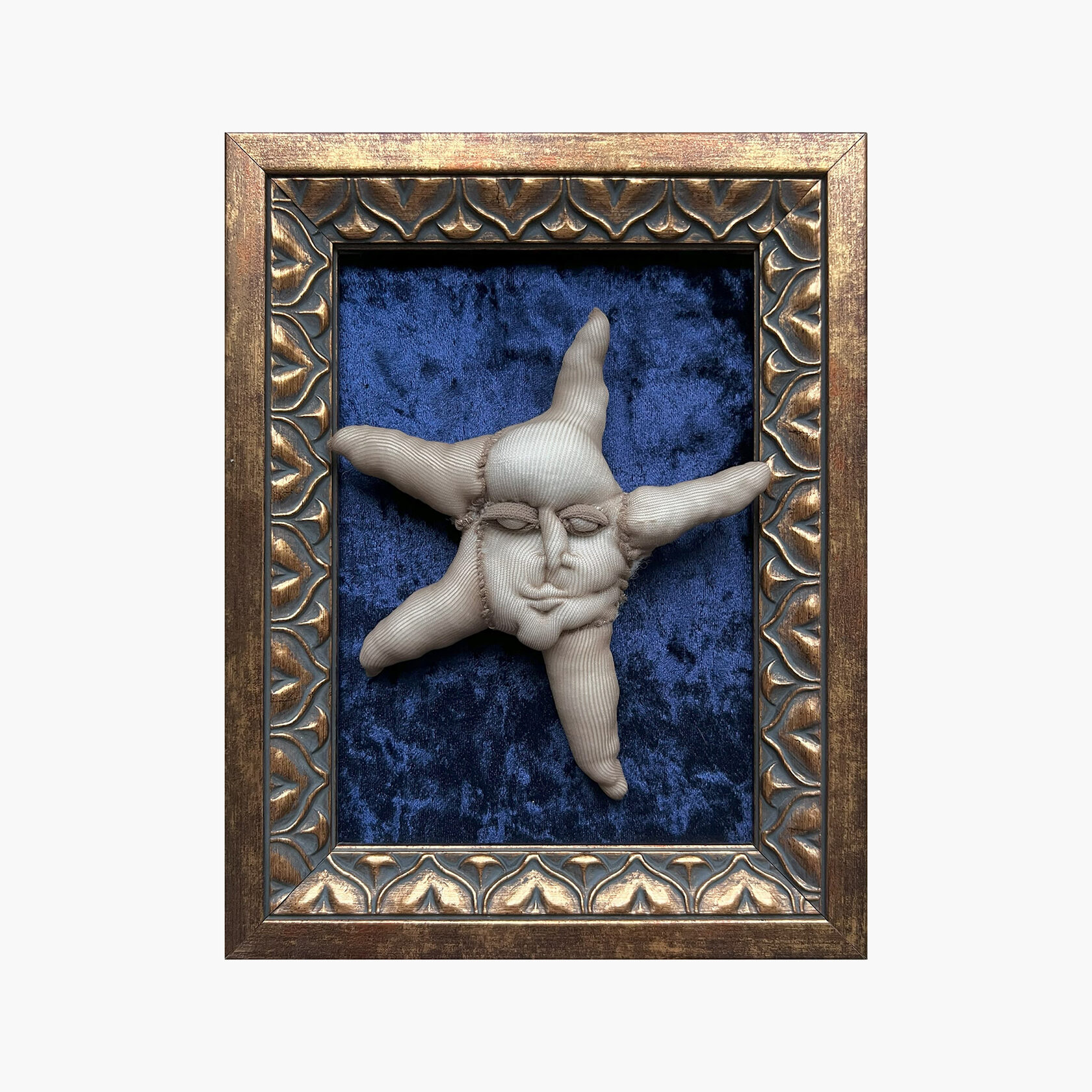
Alisa Gorshenina – Guiding star, 2021. Part of the dispar:d collection
— Returning to your collection, would you say you have any preferences for the materials artists work with? Do you lean more toward canvases, or perhaps more complex objects?
— I don’t have any strict preferences in this regard. I appreciate any medium that conveys emotions and experiences close to my own. For me, it’s about a shared sense of feeling or experience that the work transmits. In that sense, the medium itself doesn’t matter. Admittedly, I probably have more canvases, but that also reflects the market situation, where a significant percentage of works are on canvas.
— Recently, I’ve noticed a growing trend in Russian art towards working with ready-made objects. In this context, I’d highlight "Malyshki 18:22"—probably some of the most foundational artists working in ready-made today.
— The Malyshki are amazing. I have several of their objects in my collection. Their art changes the rules of the game. It’s not just about the fact that they incorporate ready-made objects into their work—they’re teaching us how to fight.
— I don’t have any strict preferences in this regard. I appreciate any medium that conveys emotions and experiences close to my own. For me, it’s about a shared sense of feeling or experience that the work transmits. In that sense, the medium itself doesn’t matter. Admittedly, I probably have more canvases, but that also reflects the market situation, where a significant percentage of works are on canvas.
— Recently, I’ve noticed a growing trend in Russian art towards working with ready-made objects. In this context, I’d highlight "Malyshki 18:22"—probably some of the most foundational artists working in ready-made today.
— The Malyshki are amazing. I have several of their objects in my collection. Their art changes the rules of the game. It’s not just about the fact that they incorporate ready-made objects into their work—they’re teaching us how to fight.
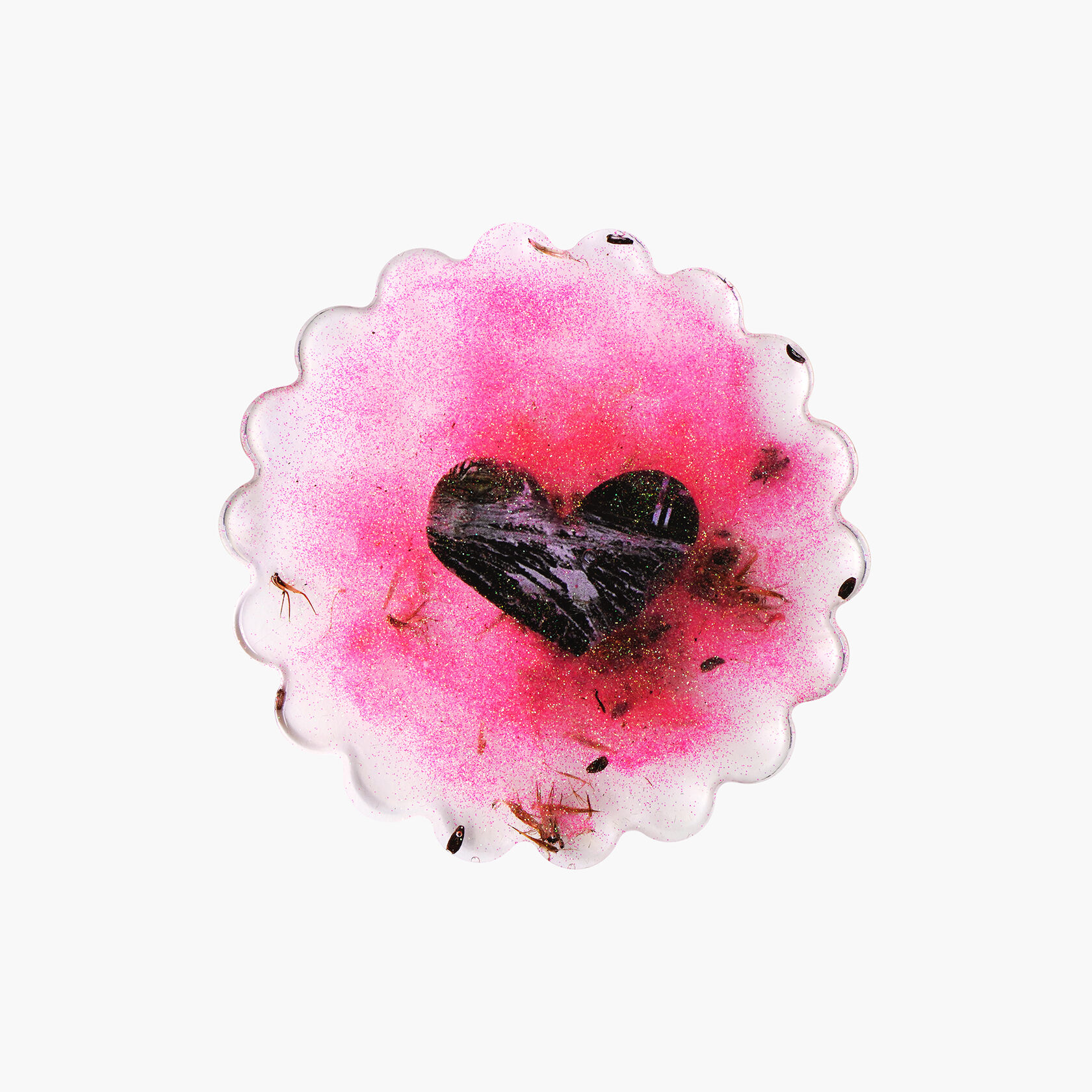
Malyshki 18:22 – Siberian secrets, 2023
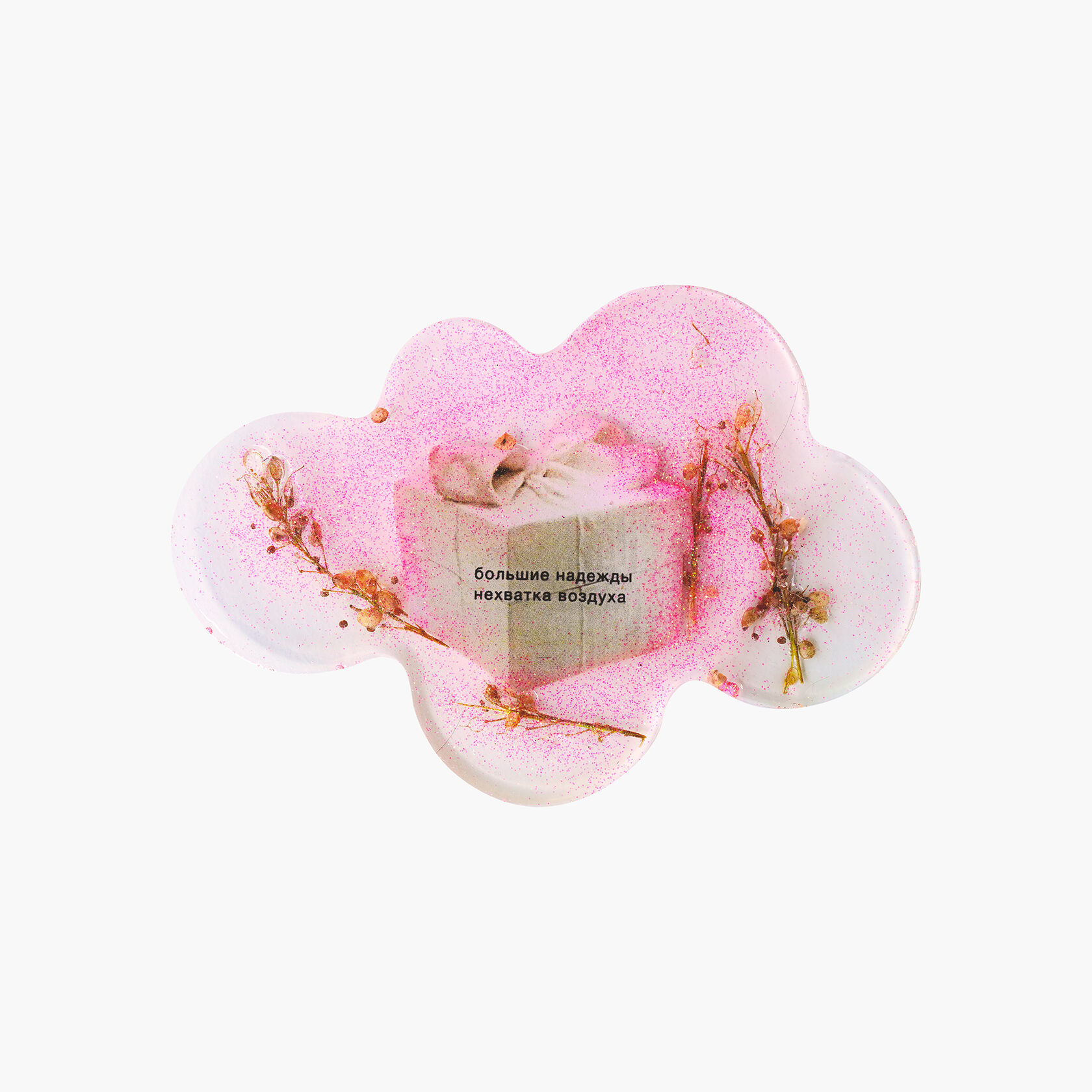
Malyshki 18:22 – Siberian secrets, 2023
— Speaking of battles, let’s touch on another side of the current reality for Russian artists— the start of the special military operation, which has significantly altered our environment, including the art world. Some artists have chosen the path of resistance, with some even emigrating, while others have decided to go with the flow, and in certain cases, embraced the opportunities presented by controversial state institutions.
How do you feel about these changes? Do such matters hold significance for you?
— I’ll put it this way: everything shapes my attitude toward an artist and their practice. I will never support artists who don’t share my values.
I believe we live in a time where art, especially contemporary art, is deeply tied to the artist, reflecting their ideas and serving as their statement.
When you acquire a piece of art—whether it’s a canvas or an object—you’re not just getting a beautiful or not-so-beautiful image to hang on your wall. You’re acquiring meaning, a story, and a connection to that artist. This is especially true when we talk about building a collection: by purchasing works, you’re supporting the artist in the long term, whether consciously or not. That’s why it’s essential to understand who the artist is and whether your values align.
How do you feel about these changes? Do such matters hold significance for you?
— I’ll put it this way: everything shapes my attitude toward an artist and their practice. I will never support artists who don’t share my values.
I believe we live in a time where art, especially contemporary art, is deeply tied to the artist, reflecting their ideas and serving as their statement.
When you acquire a piece of art—whether it’s a canvas or an object—you’re not just getting a beautiful or not-so-beautiful image to hang on your wall. You’re acquiring meaning, a story, and a connection to that artist. This is especially true when we talk about building a collection: by purchasing works, you’re supporting the artist in the long term, whether consciously or not. That’s why it’s essential to understand who the artist is and whether your values align.
— It feels especially relevant now, doesn’t it? We’ve clearly never had another time when values were so openly expressed. For some, this has indeed become a criterion for choosing an artist or a work, and it’s undeniably a noticeable trend.
You mostly live abroad and purchase works online. How long have you been doing this, and how do you feel about buying art this way?
— For about three years. I enjoy this format. Honestly, I feel it’s in no way inferior to offline purchases. In fact, I often reach out to artists or galleries after receiving a piece to share my impressions. Most of the time, I note that the work is even more stunning in person than in the photos. I’ve honestly never had a negative experience where a piece didn’t meet my expectations.
I’m really happy to participate in dispar:d’s auctions, and I deeply appreciate how you work with young and lesser-known artists. Supporting one another in the industry is incredibly important, especially for those who haven’t yet fully realized their potential. I think it’s fantastic!
You mostly live abroad and purchase works online. How long have you been doing this, and how do you feel about buying art this way?
— For about three years. I enjoy this format. Honestly, I feel it’s in no way inferior to offline purchases. In fact, I often reach out to artists or galleries after receiving a piece to share my impressions. Most of the time, I note that the work is even more stunning in person than in the photos. I’ve honestly never had a negative experience where a piece didn’t meet my expectations.
I’m really happy to participate in dispar:d’s auctions, and I deeply appreciate how you work with young and lesser-known artists. Supporting one another in the industry is incredibly important, especially for those who haven’t yet fully realized their potential. I think it’s fantastic!
— Thank you, we approach this with great care, and we have a long-term goal to nurture these artists. Our aim is to help them establish confidence and sustainability in the industry over time. This is essentially the role of gallerists and art managers in the industry—to discover talents and support young artists.
Speaking of which, since you’ve been purchasing art online for three years, I’m curious—do you focus exclusively on Russian platforms, or do you also make acquisitions through international ones?
— I have a clear stance on this. While I don’t limit myself to Russia, my focus is predominantly on Russian-speaking artists.
Artists in countries like France, the UK, or especially the US generally don’t require my support as much. The Western art market is far more stable and provides extensive financial backing for its artists.
I see my mission in supporting artists from Russia, where opportunities for support are much scarcer. Additionally, a significant part of my collection is composed of women’s art, which serves as both a manifesto and a statement of my values. It’s important for me to support those who genuinely need it.
Speaking of which, since you’ve been purchasing art online for three years, I’m curious—do you focus exclusively on Russian platforms, or do you also make acquisitions through international ones?
— I have a clear stance on this. While I don’t limit myself to Russia, my focus is predominantly on Russian-speaking artists.
Artists in countries like France, the UK, or especially the US generally don’t require my support as much. The Western art market is far more stable and provides extensive financial backing for its artists.
I see my mission in supporting artists from Russia, where opportunities for support are much scarcer. Additionally, a significant part of my collection is composed of women’s art, which serves as both a manifesto and a statement of my values. It’s important for me to support those who genuinely need it.
— And that’s a great position to have. Do you still keep up with events in the cultural space in Russia?
— Yes, of course. I actively follow what’s happening, reading blogs and Telegram channels. Since I’ve been collecting for several years now, I have many friends on social media—artists, curators, gallerists, and other representatives of the art market.
They usually share information about important events, like the recently held Cosmoscow. To be honest, this year’s fair didn’t impress me as much. Sometimes you see an exhibition or a fair and think, “I need to see or buy this immediately!”—and you find yourself writing to a gallery right away.
I reached out to Sample to request a catalog of Aleksey Dubinsky’s works. I’ve wanted to acquire one of his pieces for a while, but it hasn’t happened yet. That said, Alexey is a prominent artist whom we all knew before Cosmoscow, so the fair didn’t directly influence my decision to pursue his work—it just happened to align this time.
— Yes, of course. I actively follow what’s happening, reading blogs and Telegram channels. Since I’ve been collecting for several years now, I have many friends on social media—artists, curators, gallerists, and other representatives of the art market.
They usually share information about important events, like the recently held Cosmoscow. To be honest, this year’s fair didn’t impress me as much. Sometimes you see an exhibition or a fair and think, “I need to see or buy this immediately!”—and you find yourself writing to a gallery right away.
I reached out to Sample to request a catalog of Aleksey Dubinsky’s works. I’ve wanted to acquire one of his pieces for a while, but it hasn’t happened yet. That said, Alexey is a prominent artist whom we all knew before Cosmoscow, so the fair didn’t directly influence my decision to pursue his work—it just happened to align this time.
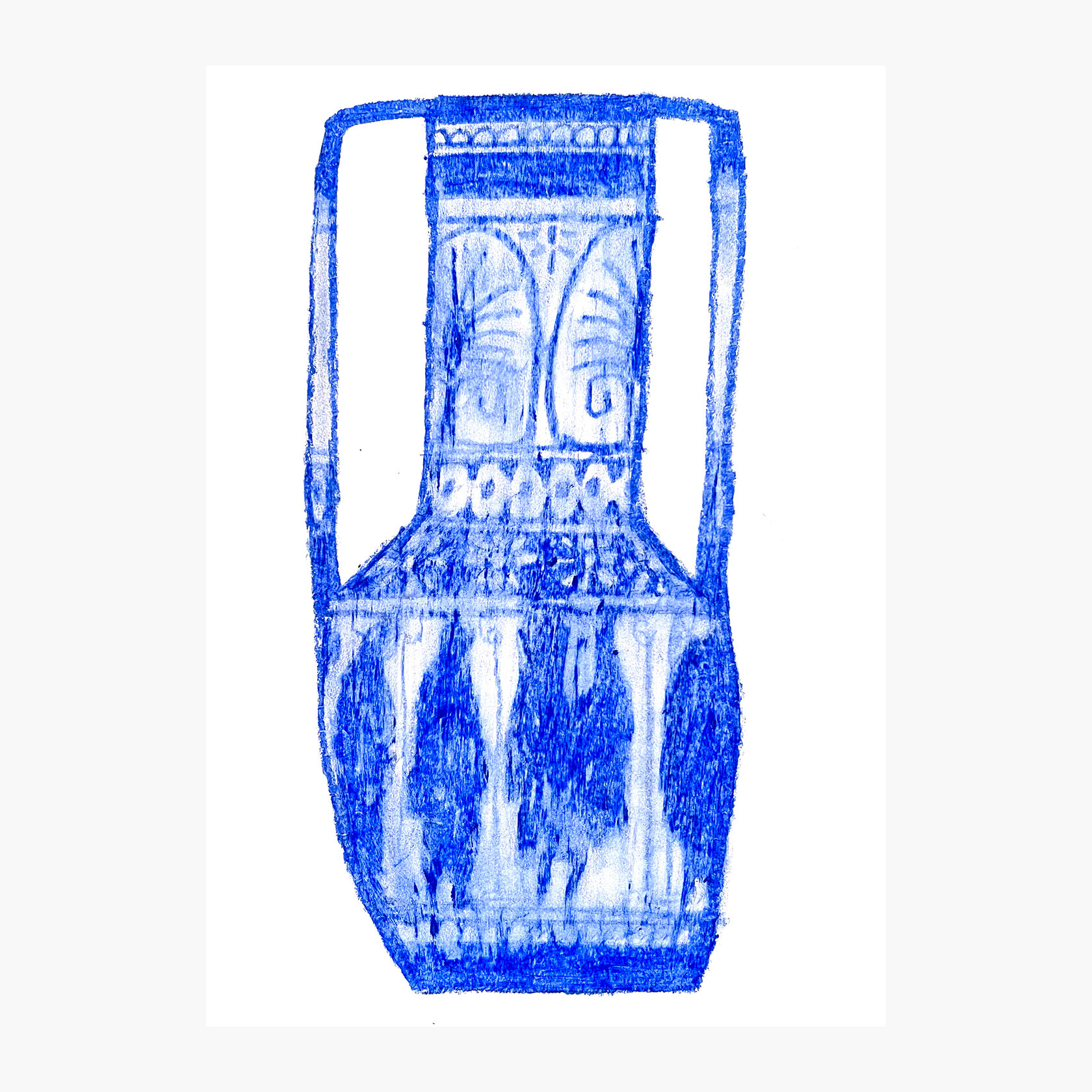
Aleksey Dubinsky – Vase. Silhouettes, 2024
— By the way, tell us, what are you working on right now? Any plans you’d like to share?
— I’ve launched the Alan Nekhay Foundation. In a few months, I’m planning a major exhibition in Ankara, where my foundation’s collection will be showcased. This is a very significant event for me.
— That’s fantastic—few people can boast such plans!
On such a positive note, I’d like to wrap up our conversation, but before we finish, I can’t resist asking you this: if your collection could be expressed in a single word, what would that word be?
— All the works in my collection and my entire approach to art can be summed up in one powerful word: “resistance.”
— I’ve launched the Alan Nekhay Foundation. In a few months, I’m planning a major exhibition in Ankara, where my foundation’s collection will be showcased. This is a very significant event for me.
— That’s fantastic—few people can boast such plans!
On such a positive note, I’d like to wrap up our conversation, but before we finish, I can’t resist asking you this: if your collection could be expressed in a single word, what would that word be?
— All the works in my collection and my entire approach to art can be summed up in one powerful word: “resistance.”
The original interview in Russian was published on the dispar:d’s social media platforms.